Laboratory Tools
This glossary aims to save researchers time by listing all the tools that can be used in the laboratory.
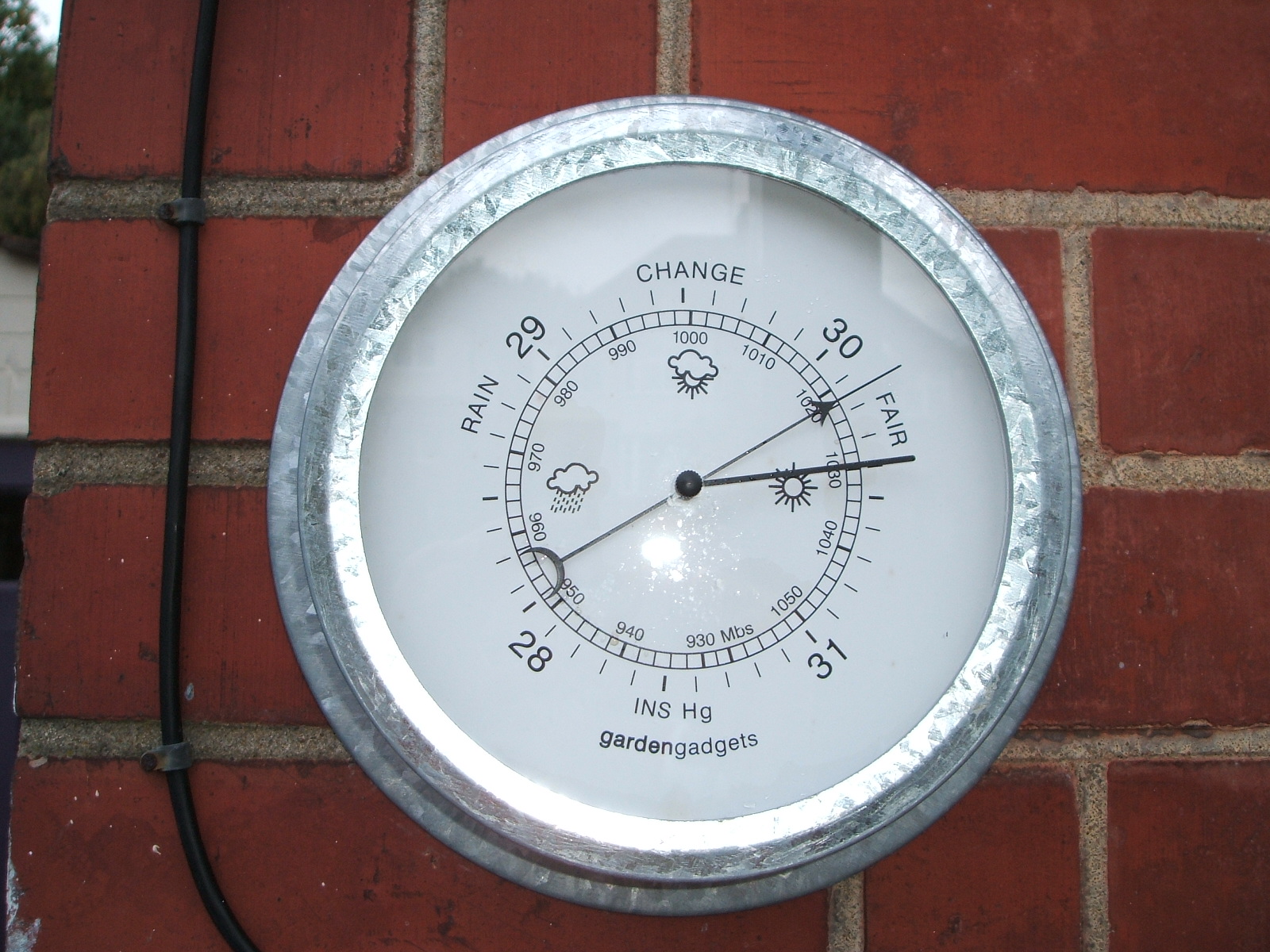
- barometer
- noun
- An instrument measuring atmospheric pressure, used especially in forecasting the weather and determining altitude.
- Example: People have been using barometers for weather forecasting and research purposes.
- fr: baromètre
- beaker
- noun
- a lipped cylindrical glass container for laboratory use.
- Example: Within 24 h of being transferred to the laboratory, snails were examined individually in beakers of water for emerged or emerging cercariae, the morphology and behaviour of which were noted.
- fr: bécher

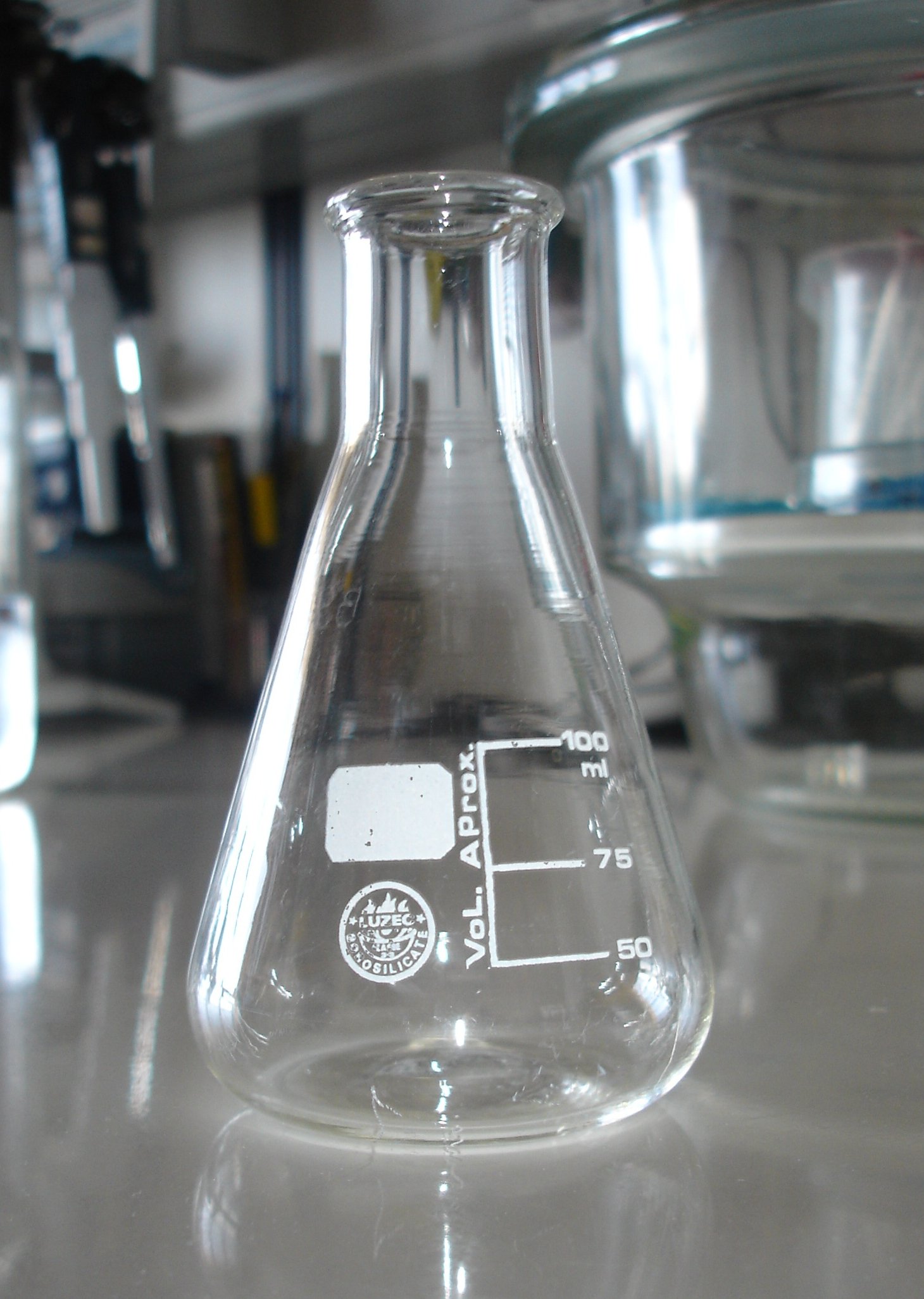
- erlenmeyer
- noun
- A flat-bottomed conical laboratory flask.
- Example: The cracking of the flask provides an illustration.
- fr: erlenmeyer
- funnel
- noun
- A tube or pipe that is wide at the top and narrow at the bottom, used for guiding liquid or powder into a small opening.
- Example: Any coarse material that had fallen into the funnels was regularly removed by hand.
- fr: entonnoir

- dropper
- noun
- A small tube with a rubber container at one end that is filled with air and allows liquid to be given out in separate drops.
- Example: The dropper must not touch the inside.
- fr: eprouvette

- thermometer
- noun
- A device used for measuring temperature, especially of the air or in a person's body.
- Example: I would certainly need kites or tethered balloons to carry thermometers and barometers up into the air.
- fr: thermomètre

- spatula
- noun
- An implement with a broad, flat, blunt blade, used for mixing and spreading things, especially in cooking and painting.
- Example: Only a wooden spatula is needed.
- fr: spatule

- buret
- noun
- A graduated glass tube with a tap at one end, for delivering known volumes of a liquid, especially in titrations.
- Example: The water was supplied through a short flexible tube from a burette.
- fr: burette

- balance
- noun
- A device used for weighing things, consisting of two dishes hanging on a bar that shows when the contents of both dishes weigh the same.
- Example: I weighed 5 kilos on a balance.
- fr: balance

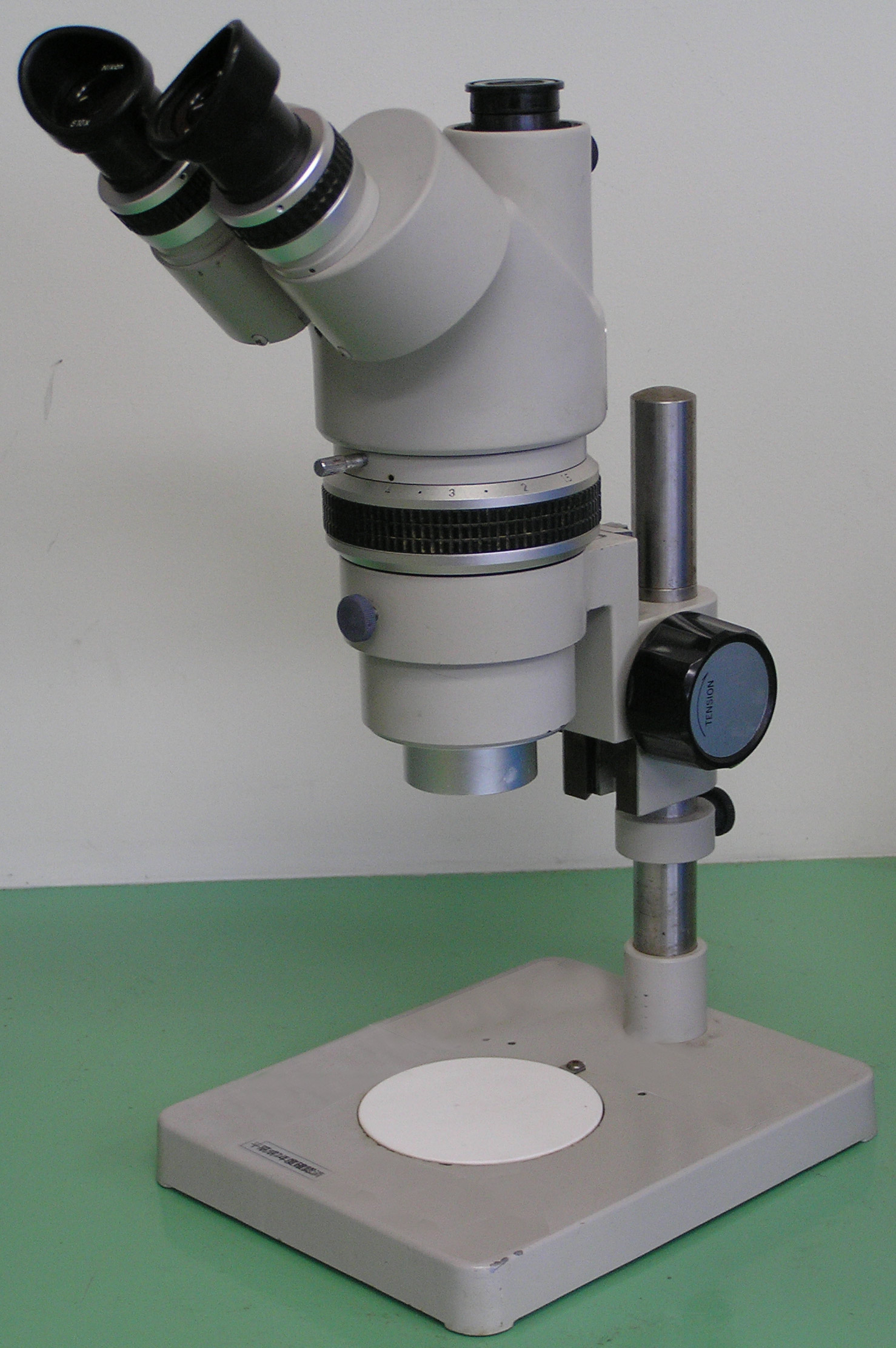
- microscope
- noun
- A device that uses lenses to make very small objects look larger, so that they can be scientifically examined and studied:.
- Example: They looked at the blood samples under the microscope.
- fr: microscope
- pipette
- noun
- A thin glass tube used especially in biology and chemistry for measuring or moving a small amount of liquid.
- Example: This was beneficial for the repeated use of a single pipette.
- fr: pipette

- centrifuge
- noun
- A machine that turns a container round very quickly, causing the solids and liquids inside it to separate by centrifugal action.
- Example: The homogenate was centrifuged and the supernatant concentrated to 500 mg/ml as before.
- fr: Centrifugeuse

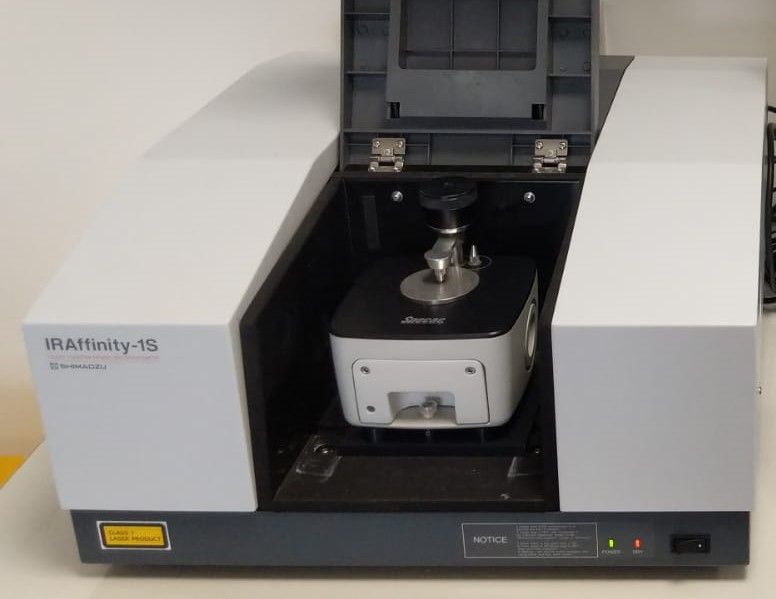
- spectrometer
- noun
- A piece of equipment that scientists use to record and measure spectra (= the set of colours into which a beam of light can be separated, or a range of waves, such as light waves or radio waves).
- Example: They used a spectrometer to analyse the frequency of radiation reflected from the surface of Mars.
- fr: spectromètre
- pump
- noun
- A piece of equipment that is used to cause liquid, air, or gas to move from one place to another:.
- Example: The pump is powered by a small electric motor.
- fr: pompe
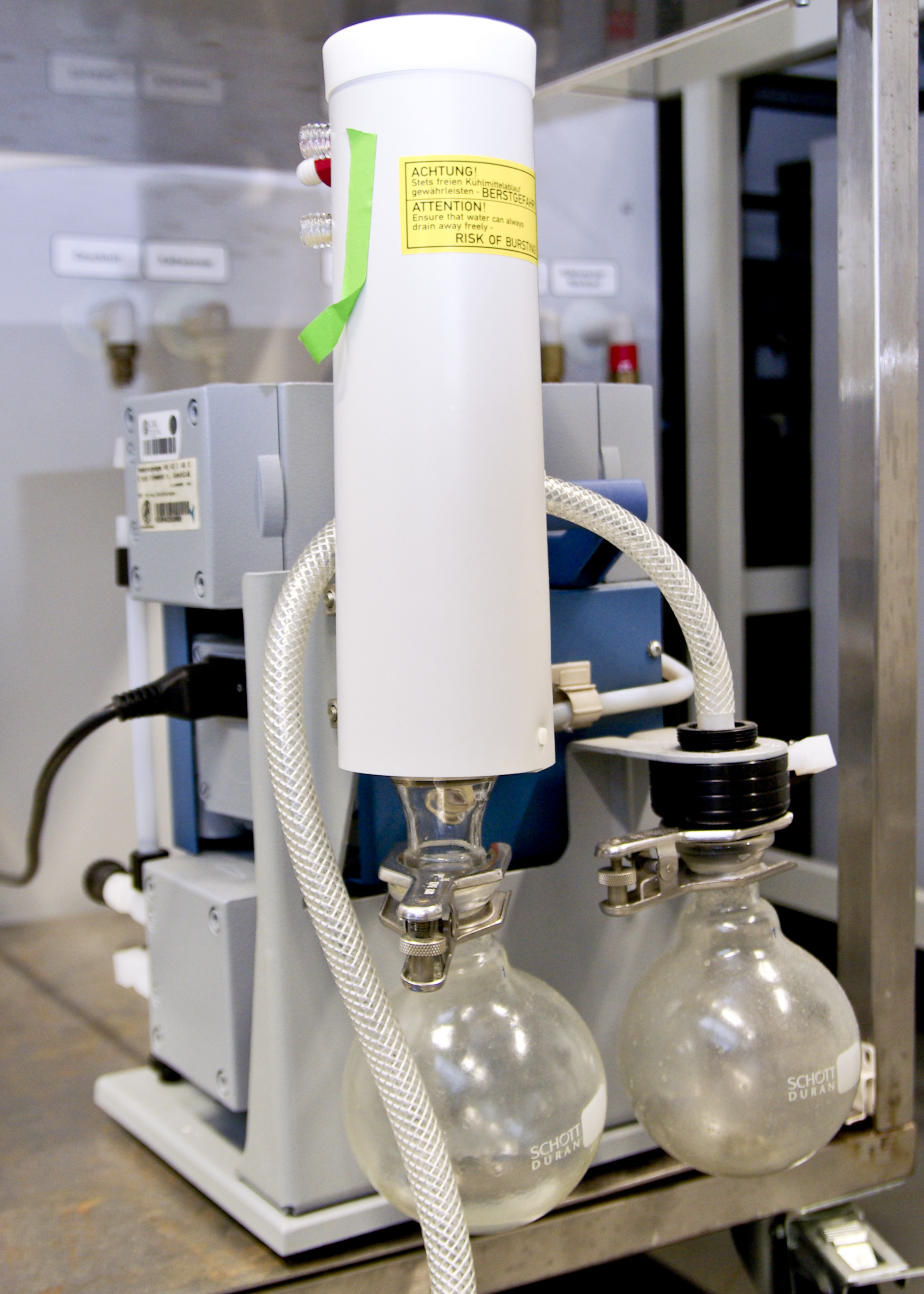
- filter
- noun
- Any of several types of equipment or devices for removing solids from liquids or gases, or for removing particular types of light.
- Example: There's a filter that makes all your pictures look like old sepia photographs.
- fr: filtre

- tongs
- noun
- A device used for picking up objects, consisting of two long pieces joined at one end and pressed together at the other end in order to hold an object between them.
- Example: She moved the smoldering logs around in the fireplace with a set of tongs.
- fr: pince

- condenser
- noun
- A piece of equipment that reduces gases to their liquid or solid form.
- Example: Namely, the concept is composed of a condenser, a compressor, an expansion valve, and an evaporator.
- fr: condensateur

- burner
- noun
- A person or thing that burns.
- Example: Also, local propane companies subsidized investments in propane burners.
- fr: Brûleur

- clamp
- noun
- A device made of wood or metal that is used to hold two things together tightly.
- Example: Carefully tighten the clamp until it firmly supports the pipette in a vertical position.
- fr: attache

- forceps
- noun
- A metal instrument with two handles used in medical operations for picking up, pulling, and holding things.
- Example: A doctor always has his forceps.
- fr: forceps

Commentaires
Enregistrer un commentaire